UX and UI design
Visitors find their way naturally: a logical structure, clear navigation and a hierarchy that leads to the right place.
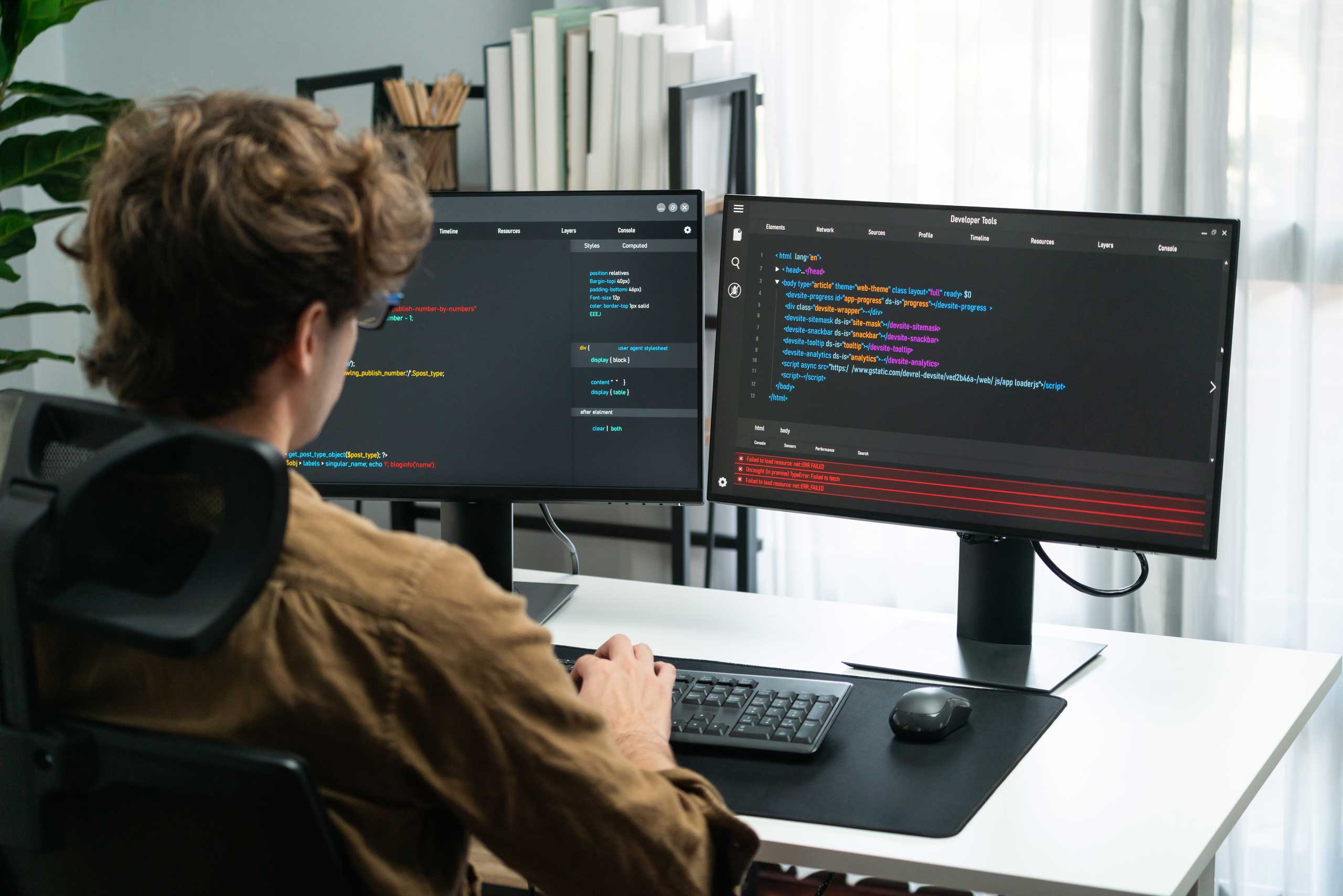
Websites that communicate, persuade and convert. From concept to live, including UX, UI and development.
A website that convinces visitors and turns them into customers. Logical to use, fast to load and built to last for years — entirely yours, and exactly as your brand intends it.
Visitors find their way naturally: a logical structure, clear navigation and a hierarchy that leads to the right place.
Fast load times, smooth animations and code that makes Google happy. In React or Vue, or deliberately simple when that fits better.
You change your own copy, whenever you like. WordPress when it needs to be pragmatic, headless for flexibility, bespoke when that works best — or an AI CMS you simply talk to.
Designed mobile-first and tested at every size. Accessible to everyone, because that is part of good work.
Design and development sit in the same person here. What you see in the design is what you get in the browser — no compromises and no surprises at delivery.
The result: a site that looks as intended and works as promised.
It depends on the project. Marketing sites often run on PHP or WordPress, more complex applications on React or Vue. The technology follows what your project needs, not what's fashionable.
A compact website is ready in 4 to 6 weeks. Larger projects with bespoke work and integrations run up to 8 to 12 weeks. The planning is realistic and the communication clear — no surprises along the way.
That's the starting point: a website you can maintain yourself, with clear documentation and a CMS that suits you. And if you do get stuck, I'm one message away.
Then the first step is to see whether a touch-up will do or whether a rebuild is smarter. Sometimes a redesign is enough, sometimes the technical foundation is too shaky — you'll get an honest answer either way, even when that's the cheaper one.